Is Tenant Insurance Mandatory in BC? What Landlords Can Require
No BC law requires renters to buy tenant insurance, but your tenancy agreement can. What landlords can ask for, and why the liability cover matters either way.
Updated October 26, 20267 min read

No. No BC law requires renters to buy tenant insurance. However, a landlord can make it a term of your tenancy agreement, and once you sign a lease with that term, you've agreed to carry it. Even if your lease doesn't mention it, the landlord's insurance won't cover your belongings or your liability.
Key takeaways
- BC law doesn't require tenant insurance, but your landlord can require it in the tenancy agreement.
- Landlords often ask for proof of insurance, and some set a minimum liability limit, such as $1 million or $2 million.
- If you rent in a strata building, the strata bylaws apply to you as well as the lease.
- The landlord's policy covers the building and the landlord's own interests. It doesn't cover your belongings or your liability.
- The biggest reason to carry it is liability: if water from your suite damages the unit below and you're found responsible, you could have to pay for the repairs.
Does BC law require tenant insurance?
No. Neither the Residential Tenancy Act nor the Residential Tenancy Branch (RTB) requires renters to carry insurance. Whether you need it depends on what you agreed to in your tenancy agreement.
If your agreement includes an insurance clause, it's part of your contract. A landlord can only end a tenancy for breach of a "material term" if the tenant doesn't fix the problem within a reasonable time after written notice. If the tenant disputes the notice, an RTB arbitrator decides whether the term is material based on the facts of that tenancy; calling a clause "material" in the lease doesn't settle it.
Can a landlord require tenant insurance in BC?
Yes. A landlord can include tenant insurance as a term of the tenancy agreement, as long as the term is consistent with the Residential Tenancy Act, isn't unconscionable and is clearly worded. Many landlords and property managers do this.
Bravo suggests that its own landlord clients consider requiring tenant insurance in their leases, because it gives the tenant a way to pay for damage they're responsible for. If you own a rental, our landlord's insurance page explains how Bravo's policy handles tenant-caused water damage and rental income loss.
What landlords commonly ask for
Requirements vary, but lease insurance clauses often include some of the following:
- Proof of insurance before move-in, and again each time the policy renews.
- A minimum personal liability limit, such as $1 million or $2 million.
- Notice wording. Some landlords ask to be listed on your policy, for example as an "interested party" or "additional interest", so they're told if it's cancelled. Whether an insurer can do this, and what it means, varies, so ask your broker.
- Keeping the policy in force for the whole tenancy.
Read the clause carefully before you sign. If it asks for specific wording, send it to your broker so they can confirm what the policy can show.
Renting in a strata building
If you rent a condo or townhouse, the strata corporation's bylaws apply to you as well as your lease. Under the Strata Property Act, your landlord must give you the current bylaws and rules and a Form K (Notice of Tenant's Responsibilities) before you rent, and file the Form K you sign with the strata. You must follow the bylaws and rules even if your landlord didn't give them to you.
Some strata bylaws deal with insurance or with who pays when damage starts in a unit. Strata insurance deductibles in BC can be very high; the Province notes they can range from $100,000 to $750,000 or more, depending on the building and its claims history. If a leak starts in your unit, the strata may be able to recover the deductible from the owner, and the owner may try to recover it from you, depending on the bylaws and the circumstances. Ask your landlord for the bylaws and check them for insurance clauses.
What your landlord's insurance doesn't cover
| Landlord's policy | Your tenant policy | |
|---|---|---|
| The building and the landlord's fixtures and appliances | Designed to cover | Not covered |
| Your furniture, clothing, electronics and other belongings | Not covered | Designed to cover |
| Your liability if you damage someone else's property or injure someone | Not covered | Designed to cover |
| Your hotel and meal costs if the suite becomes unliveable | Not covered | Designed to cover (additional living expenses) |
A landlord's policy protects the landlord's property and the landlord's liability. If a fire starts in the building, your possessions and your temporary housing costs generally aren't the landlord's insurer's responsibility unless the landlord is legally responsible for the loss. For more detail, see our guide on what tenant insurance covers in BC.
Why it's worth having even if your lease doesn't require it
The strongest reason is liability, especially for water damage. If your bathtub overflows or your washing machine hose bursts, water can run through the floor into the suite below. The repair bills for the ceiling and walls, plus your neighbour's belongings, can quickly reach tens of thousands of dollars. If you're found responsible, you could have to pay for it.
Bravo's tenant policy includes personal liability that applies anywhere in the world, with defence costs paid on top of the limit. It also includes voluntary medical payments of up to $5,000 per injured person, even if you aren't at fault. Our guide to water damage, sewer back-up and flood insurance in BC explains which water losses are included and which need an add-on. Note that on a Bravo tenant policy, the minimum deductible for any water loss is $2,500 unless your Cover Page shows a higher amount.
It's also inexpensive for what it protects. Most Bravo tenant insurance policies in BC cost about $275–$500 a year.
How to show proof of insurance
Your landlord will usually accept one of these:
- Your Cover Page (sometimes called the declarations page). It lists the insured's name, the address, the policy period and your coverage limits.
- A certificate or letter of insurance from your broker that confirms the policy is in force and shows the liability limit.
Send a new copy each time the policy renews. If your lease asks for specific details, such as a minimum limit, check that they appear on the document.
Getting a policy partway through your tenancy
You don't have to wait until you renew your lease. You can buy a tenant policy at any time, and it starts on the effective date shown on your Cover Page. It won't respond to damage that happened before that date.
Once it's in place, send proof to your landlord or property manager. If you move later, Bravo's policy covers your belongings during a move to a new principal residence in Canada for 30 days; just update your address with your broker. If you'd like help choosing limits that meet your lease, a Bravo broker can walk you through it.
Frequently asked questions
Do I need tenant insurance in BC?
Legally, no. But if your tenancy agreement requires it, you've agreed to carry it. Even when it isn't required, it's the only way to cover your own belongings and your liability to others.
Can my landlord evict me for not having tenant insurance?
Possibly. If the clause is a material term and you don't fix the breach within a reasonable time after written notice, your landlord can give you a One Month Notice to End Tenancy for Cause. You have 10 days to dispute it with the Residential Tenancy Branch, which then decides whether the term is material. If you don't dispute it, the tenancy ends on the notice's effective date. The safest approach is to keep the policy in force and send proof when it renews.
How much liability coverage does my landlord expect?
Check your lease. If it sets a minimum, it's often a figure like $1 million or $2 million. Your broker can confirm your current limit and increase it if needed.
Does tenant insurance cover the building I rent?
No. Tenant insurance doesn't cover the building itself; that's the landlord's or strata's responsibility. Bravo's policy is designed to cover your belongings, your improvements and betterments, your liability and your additional living expenses, subject to the policy wording and your Cover Page.
Is renters insurance the same as tenant insurance?
Yes. Tenant, renters, renter's and apartment insurance all refer to the same type of policy.
This guide is general information, not advice. What a policy covers is set by its wording, declarations and endorsements, and varies by insurer. Talk to a licensed broker about your situation before you buy or change coverage.
More residential guides
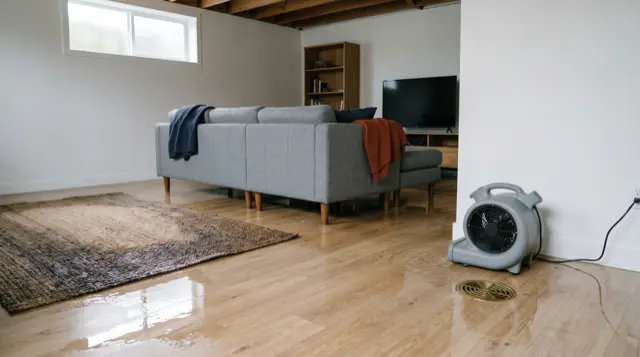
Water Damage, Sewer Backup and Overland Flood: What BC Home Insurance Covers
Burst pipes, sewer backup and overland flooding are three different claims in BC. See what a standard home, condo or tenant policy covers and which add-ons you need.
Read the guide
What Does Tenant Insurance Cover in BC? A Plain-English Breakdown
Your belongings, worldwide liability, living costs after a fire or evacuation, and the limits that catch renters out. A plain-English guide to BC tenant insurance.
Read the guide
Replacement Cost vs Actual Cash Value: How BC Home Insurance Pays a Claim
Actual cash value, replacement cost and guaranteed rebuild pay out very differently after a claim. Worked examples for BC homeowners, condo owners and renters.
Read the guideGet covered without the runaround.
Compare your options, get a quote, or talk to a licensed BC advisor when you want a second opinion.