Earthquake Insurance in BC: Do You Need It and How the Deductible Works
Why standard BC home policies exclude earthquake, how percentage deductibles work, and what condo owners and renters should know about strata earthquake deductibles.
Updated October 26, 20267 min read
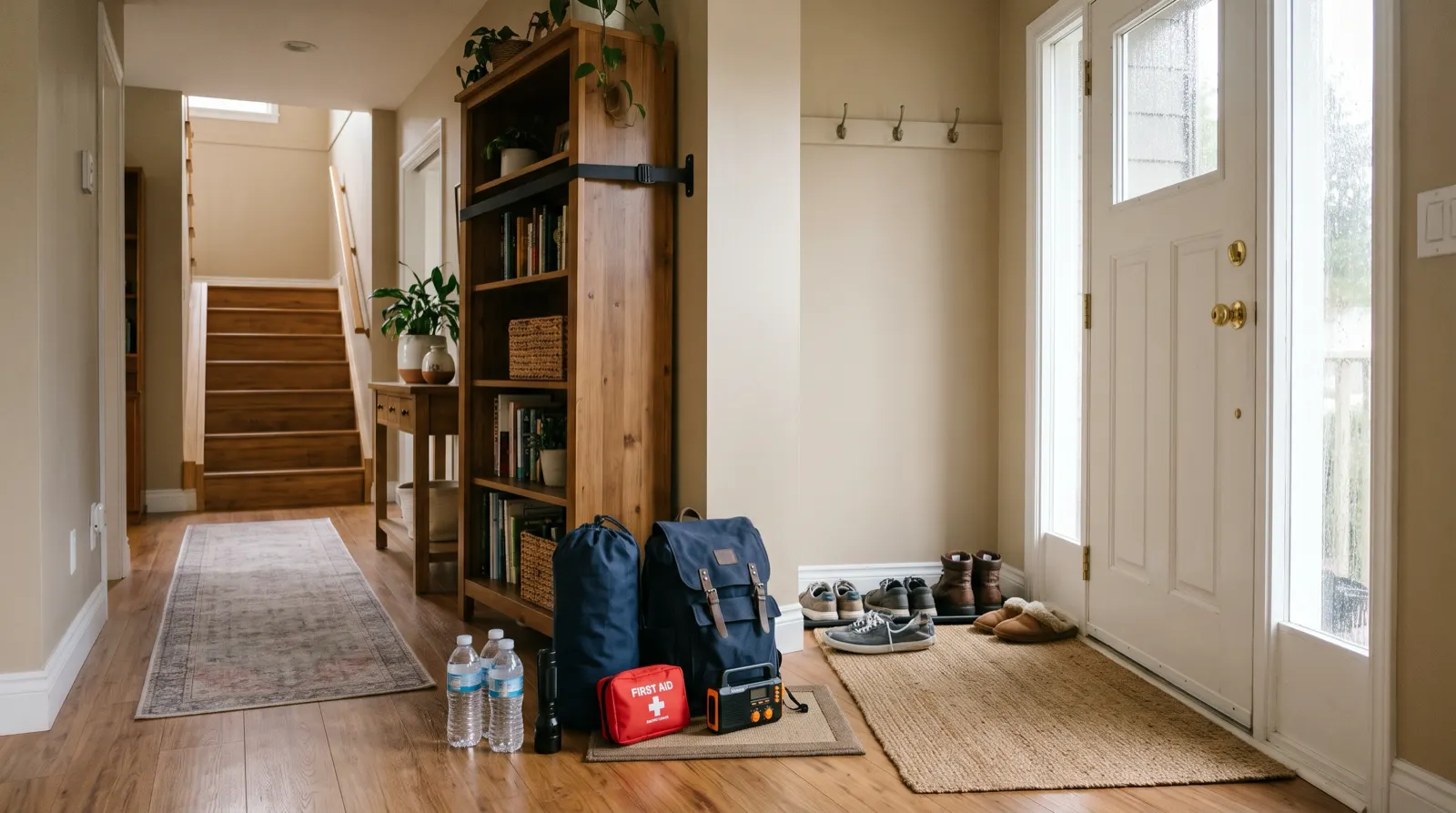
If you own or rent in coastal British Columbia, earthquake insurance is worth serious consideration, because most standard home, condo and tenant policies do not cover earthquake shock damage. In BC, earthquake insurance is usually an optional add-on with a percentage deductible, typically 5–20% of your dwelling limit, so understanding how that deductible works matters as much as the coverage itself. This guide explains the risk, what an earthquake add-on is designed to cover, and how the numbers play out.
Key takeaways
- Most standard BC home policies exclude earthquake shock; coverage is added through an optional endorsement such as Bravo's earthquake add-on.
- Earthquake deductibles in BC run 5–20% of the dwelling limit depending on location, not a flat dollar amount.
- On a Bravo tenant policy, all shocks within 168 consecutive hours count as a single claim, so you face one deductible for one event.
- Condo owners can be charged a share of the strata's earthquake deductible, which is where earthquake deductible buyback cover comes in.
- You can add earthquake cover later, but not during or immediately after an active seismic event.
Why is BC Canada's highest earthquake-risk region?
Southwestern BC sits near the Cascadia subduction zone, where the oceanic Juan de Fuca plate slides beneath the North American plate off the west coast of Vancouver Island. Natural Resources Canada describes the Pacific coast, which includes the Lower Mainland and Vancouver Island, as the most earthquake-prone region of Canada.
Earthquakes Canada describes three main types of earthquakes that can affect southwestern BC:
- Subduction (megathrust) earthquakes along the Cascadia plate boundary, which can be very large and affect a wide area.
- Crustal earthquakes, which occur at shallow depths within the North American plate and can cause strong local shaking.
- Deep (in-slab) earthquakes, which occur within the descending oceanic plate beneath the Georgia Strait and Puget Sound area.
For current hazard maps and historical data, Natural Resources Canada's Earthquakes Canada service is the authoritative source to check.
Does home insurance cover earthquakes in BC?
Usually not. Most standard BC home, condo and tenant policies exclude damage caused by earthquake shock, such as cracked foundations, collapsed walls or contents thrown from shelves. Earthquake protection is added separately as an optional endorsement.
There is one important nuance. Many insurers cover fire that follows an earthquake under the standard fire peril, even when the shaking itself is excluded, so check your wording with your broker. That leaves the biggest category of loss, structural shaking damage, uninsured unless you add earthquake cover.
On Bravo's home insurance, earthquake is an optional add-on and is highly recommended on the coast. Your policy wording and Cover Page decide exactly what applies.
What does Bravo's earthquake add-on cover?
Bravo's earthquake deductible buyback add-on is designed to cover:
- Earthquake shock damage to your dwelling and contents.
- Resulting fire and flood that result directly from an earthquake.
- Additional living expenses if your home is unliveable while repairs are made.
- Detached garages and sheds on your property.
If your home is a larger or more complex property, earthquake cover is included on every Bravo high value home policy rather than sold as an add-on.
How does an earthquake deductible work?
Earthquake deductibles in BC are calculated as a percentage of your dwelling limit, usually 5–20% depending on where the property is. This is very different from the flat $1,000 or $2,500 deductible you might be used to on other claims.
A worked example
Here is a hypothetical example, not a quote:
| Item | Amount |
|---|---|
| Dwelling limit | $800,000 |
| Earthquake deductible | 10% |
| Deductible you pay | $80,000 |
| Earthquake damage to home | $200,000 |
| Amount the policy would pay (before other limits) | $120,000 |
If the damage were $60,000, it would fall below the $80,000 deductible and the policy would pay nothing for the dwelling. Ask your broker how the deductible applies to dwelling, contents and additional living expenses on your policy, and check your Cover Page.
The 168-hour rule
Large earthquakes are often followed by aftershocks. On a Bravo tenant policy, all earthquake shocks that occur within 168 consecutive hours (seven days) count as a single claim. That means one deductible for the main event and its aftershocks within that window, rather than a new deductible for each shock. Check your Cover Page and wording for how this applies to your specific policy.
What do condo owners need to know about strata earthquake deductibles?
Your strata corporation's master policy insures the building. Earthquake is not one of the perils BC law requires a strata to insure, but the province strongly advises stratas in earthquake-prone areas to carry it, and where they do, the earthquake deductible is typically 10–20% of the building's full replacement value rather than a set dollar amount. Under section 158 of BC's Strata Property Act, a deductible on the strata's insurance is a common expense, so after an earthquake claim owners generally pay it through strata fees or a special levy, usually shared according to each strata lot's unit entitlement. In a large building, an owner's share can run into the tens of thousands of dollars.
Bravo's condo insurance includes loss assessment cover for your share when the strata's master policy comes up short, but base loss-assessment limits are often lower than a strata's deductible. Earthquake is an optional add-on on the condo policy and is recommended for coastal BC. If an earthquake deductible chargeback is your main worry, ask a broker how Bravo's earthquake deductible buyback add-on would respond to your share of the strata's deductible alongside your loss assessment limit, and get the answer in writing. For a deeper look at how strata deductibles are assessed, see our guide to strata insurance deductibles in BC.
Before you choose a limit, ask your strata manager for the current master policy's earthquake deductible and your unit entitlement. That gives you a rough sense of your potential share.
Do renters need earthquake insurance?
Your landlord's insurance covers the building, not your belongings. Bravo's tenant insurance excludes earthquake by default, but earthquake is available as an optional coverage for your contents.
If a quake damages your furniture, electronics and clothing, the earthquake option is designed to respond, subject to its deductible and the 168-hour rule. Separately, the tenant policy's mass evacuation coverage provides additional living expenses of up to 20% of your personal property limit for up to 30 days when a civil authority orders an evacuation. Your wording decides which coverage applies to a given event.
When can you add earthquake coverage?
You can add earthquake cover to a Bravo policy at any time, but not during or immediately after an active seismic event. Insurers commonly put temporary restrictions on adding or increasing earthquake coverage after a quake, and how long those restrictions last varies by insurer. The time to decide is before you need it.
A Bravo broker can walk you through deductible options and what they would mean for your home.
How should you prepare your home and document your contents?
Coverage is only part of being ready. A few steps can reduce damage and make a claim smoother:
- Secure heavy items. Strap bookshelves, water heaters and tall furniture to wall studs, and use latches on cupboards.
- Know your shut-offs. Learn where your gas, water and electrical shut-offs are.
- Document your contents. Record a video walkthrough of each room, including serial numbers for electronics, and store it in the cloud with copies of your policy and major receipts.
- Review your limits. Make sure your dwelling and contents limits reflect current rebuild and replacement costs, since your earthquake deductible is tied to the dwelling limit.
Frequently asked questions
Do I need earthquake insurance in BC?
If you live in the Lower Mainland or on Vancouver Island, it is worth serious consideration because standard policies usually exclude earthquake shock. Without it, structural damage from shaking would generally be yours to pay. Weigh the premium against the deductible you'd face and your ability to absorb a major loss.
Is earthquake insurance in Vancouver more expensive?
Pricing and deductibles depend on location, and coastal areas carry higher seismic hazard. On Bravo's earthquake add-on, deductibles run 5–20% of the dwelling limit depending on location. A broker can quote your specific address.
Does home insurance cover fire after an earthquake?
Many standard policies cover fire following an earthquake under the fire peril even when shaking damage is excluded. On Bravo's earthquake add-on, resulting fire and flood that result directly from an earthquake are part of the coverage. Your wording decides how a specific loss is treated.
What is earthquake deductible buyback?
It's the name of Bravo's earthquake add-on, which is designed to cover earthquake shock damage, resulting fire and flood, additional living expenses, and detached garages and sheds. Because earthquake deductibles are a percentage of value, they can be a large dollar amount. For condo owners, the bigger concern is often their share of the strata's earthquake deductible, so ask a broker how the add-on and your loss assessment limit work together.
Can I buy earthquake insurance right after an earthquake?
Not on a Bravo policy. You can add earthquake cover later, but not during or immediately after an active seismic event. That's why it's best to decide on coverage and a deductible level well before you need them.
Do aftershocks count as separate claims?
On a Bravo tenant policy, all earthquake shocks within 168 consecutive hours count as a single claim. That generally means one deductible for the main quake and its aftershocks in that window. Check your Cover Page for the terms that apply to you.
This guide is general information, not advice. What a policy covers is set by its wording, declarations and endorsements, and varies by insurer. Talk to a licensed broker about your situation before you buy or change coverage.
More residential guides

Water Damage, Sewer Backup and Overland Flood: What BC Home Insurance Covers
Burst pipes, sewer backup and overland flooding are three different claims in BC. See what a standard home, condo or tenant policy covers and which add-ons you need.
Read the guide
What Does Tenant Insurance Cover in BC? A Plain-English Breakdown
Your belongings, worldwide liability, living costs after a fire or evacuation, and the limits that catch renters out. A plain-English guide to BC tenant insurance.
Read the guide
Replacement Cost vs Actual Cash Value: How BC Home Insurance Pays a Claim
Actual cash value, replacement cost and guaranteed rebuild pay out very differently after a claim. Worked examples for BC homeowners, condo owners and renters.
Read the guideGet covered without the runaround.
Compare your options, get a quote, or talk to a licensed BC advisor when you want a second opinion.